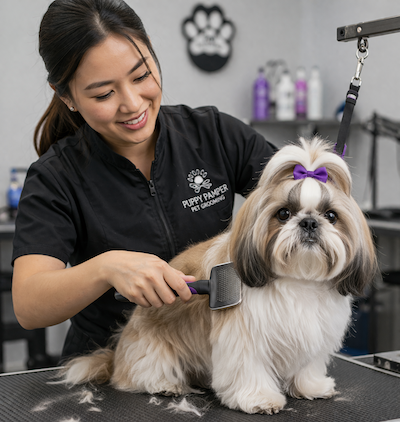
Shih Tzu Grooming Guide: Keeping Those Flowing Locks Under Control
Shih Tzu Grooming Guide: Keeping Those Flowing Locks Under Control
The Shih Tzu is a breed built around its coat. Originally bred as a companion dog for Chinese royalty, the Shih Tzu's flowing double coat was its defining feature — long, silky, and elaborate enough to require daily attention. In the 21st century, that hasn't changed. Whether you keep your Shih Tzu in a full show coat or prefer the practical puppy trim, grooming is a central part of life with this breed.
When a Shih Tzu's coat is properly maintained, it's genuinely beautiful. When it isn't, it becomes a matted, uncomfortable mess that takes significant time — and causes the dog real discomfort — to resolve. This guide will help you stay firmly on the right side of that line.
Understanding the Shih Tzu Coat
Shih Tzus have a dense double coat — a softer, woolly undercoat beneath a longer, flowing outer coat. The coat grows continuously, much like a Poodle's, and doesn't shed the way a double-coated breed like a Labrador does. Instead, loose hairs are trapped in the coat, which is why Shih Tzus are generally considered a lower-shedding breed.
The reduced shedding comes with a tradeoff: because loose hairs don't fall out, they stay in the coat and can tangle with new growing hairs, creating mats. Without regular brushing, the Shih Tzu coat doesn't just look messy — it felts into a solid mass against the skin that traps moisture, prevents airflow, and can cause serious skin irritation.
Coat texture varies between individual dogs. Some Shih Tzus have a more silky, fine coat; others have a slightly coarser texture. Generally, the coarser the texture, the more easily it tangles.
The Full Coat vs. The Puppy Trim: Choosing Your Grooming Path
This is the first decision every Shih Tzu owner has to make, and it determines the entire grooming maintenance plan.
The Full Show Coat
The traditional Shih Tzu coat — grown long, parted down the middle, and often tied up with a topknot bow. It's stunning. It also requires daily brushing (no exceptions), frequent professional appointments, and a household commitment to keeping the dog off rough surfaces and away from situations that aggressively tangle the coat.
Most pet owners who attempt the full coat end up transitioning to a shorter cut within the first year or two, not because they gave up but because they didn't realize what the maintenance actually involved. If you want to try it, go in with eyes open.
The Puppy Cut
The coat is trimmed uniformly to 1–2 inches all over. The face may be trimmed with a rounded or blunt look. The topknot is trimmed shorter or eliminated. The result is a tidy, comfortable dog who looks like a Shih Tzu puppy throughout their life — and who requires significantly less daily maintenance.
This is the right choice for the majority of pet Shih Tzu owners, and there is absolutely no shame in it. The dog is comfortable, the coat is manageable, and professional appointments every 6–8 weeks keep everything looking neat.
The Modified or Medium-Length Cut
Many groomers offer styles between the two extremes — a longer puppy cut with some feathering left on the legs, or a tidy medium-length coat that retains some of the Shih Tzu's silhouette without the full maintenance of a show coat. Ask your groomer what options might suit your lifestyle and your specific dog's coat texture.
Daily Brushing: Non-Negotiable for Full-Coat Dogs
For Shih Tzus in a full or medium-length coat, daily brushing is not a suggestion — it's the maintenance requirement that keeps the coat manageable. For dogs in a puppy cut trimmed to 1 inch or shorter, every 2–3 days is workable, though daily is still beneficial.
Tools you'll need:
- A pin brush or slicker brush with flexible pins — for the outer coat and general brushing
- A metal greyhound comb — the definitive check for tangles
- A detangling spray — particularly useful for daily touch-ups on dry coats
- A mat splitter or dematting comb — for early-stage tangles
Technique: Divide the coat into sections and work from the skin out. Never brush a dry, tangled coat without a light detangling spray — the friction causes breakage and makes tangling worse. The slicker brush handles the outer coat; use the comb to verify each section is tangle-free. Always finish with the comb.
High-friction areas: Behind the ears, under the collar, in the armpits (where the front legs meet the chest), behind the rear legs, and anywhere a harness, collar, or clothing sits. These areas mat first and fastest.
Face Care: The Most Distinctive Part of Shih Tzu Grooming
The Shih Tzu's flat face and large, prominent eyes are the breed's most distinctive features — and the ones that require the most careful attention in grooming.
Eye Discharge and Staining
Shih Tzus are heavily prone to tear staining — the reddish-brown discoloration around the eyes caused by porphyrins in tear fluid. It's more visible on lighter-colored dogs but affects all coat colors. Daily cleaning of the eye area with a damp cloth or pet-safe eye wipe prevents buildup and reduces staining.
Excessive tearing or discharge can signal eye irritation, blocked tear ducts, or eyelid issues that are common in brachycephalic (flat-faced) breeds. If your Shih Tzu has notably increased eye discharge, unusual color, or the dog is pawing at their eyes, have a veterinarian evaluate it.
The Topknot
In full-coat dogs, the hair from the top of the skull is typically tied up into a topknot with a bow or elastic to keep it out of the eyes. This is a grooming necessity, not just a style choice — hair falling into the eyes causes chronic irritation and tearing. Use only soft, snag-free hair elastics designed for pets or human hair use, and never leave elastics in so long they begin to pull or tangle into the coat.
Facial Trimming
The hair around the muzzle and chin tends to pick up food, water, and debris. Some owners trim this area short for hygiene. If you're doing this at home, use blunt-tipped scissors and always have another person hold the dog — Shih Tzus can be wiggly.
Ear Care
Shih Tzus have pendant ears with dense fur on the flap, which reduces airflow to the ear canal and creates conditions for moisture and debris accumulation. Like Poodles, they also grow hair inside the ear canal.
Check ears weekly for unusual odor, redness, dark discharge, or excessive head shaking. Ask your groomer to include an ear cleaning at each appointment and to address ear canal hair as appropriate. If your Shih Tzu has recurring ear infections, discuss the pattern with your veterinarian — some chronic ear issues have dietary or environmental components worth addressing.
Bathing a Shih Tzu
Most Shih Tzus benefit from a bath every 3–4 weeks. The long, continuous-growth coat traps environmental debris and skin oil, and regular bathing keeps the coat healthy and manageable.
Before the bath: Always brush thoroughly before getting the coat wet. Water tightens tangles into mats. Pre-bath brushing is essential.
Shampoo and conditioning: Shih Tzus benefit significantly from conditioner, which keeps the coat manageable and reduces static and tangling. Use a dog-specific conditioner after every bath and allow it to penetrate before rinsing. Coat-conditioning sprays for use between baths are also worth keeping on hand.
Drying: Blow-dry the Shih Tzu coat while brushing as you dry — this is the technique groomers use to produce the silky, smooth finish. Air drying allows the coat to curl and tangle more easily. Use low to medium heat, keep the dryer moving, and brush through each section as it dries.
Nail Care
Shih Tzu nails grow quickly on small dogs and can curve into the paw pads if left too long. Because their paws are small and the fur over the paws is dense, it's easy to miss how long the nails have gotten. Check monthly; trim every 3–4 weeks or have your groomer handle nails at each appointment.
What to Tell Your Shih Tzu's Groomer
- Which cut style you prefer (photo is ideal)
- Whether you want the face full/round or trimmed shorter
- Whether you want a topknot if the hair is long enough
- Any eye or tear staining concerns
- How often you're able to brush at home (honest answer helps the groomer recommend the right cut length)
- Any sensitive areas — many Shih Tzus are sensitive about their paws, face, and ears
Anxiety and Grooming
Shih Tzus are dogs with personality and opinions, and some of them have strong feelings about grooming. Face work in particular — trimming around the eyes, cleaning the face — can trigger resistance in dogs who weren't well-socialized to handling early.
If your Shih Tzu has significant grooming anxiety, a groomer experienced with anxious small dogs is worth seeking out. Techniques like low-stress handling, allowing the dog to take breaks, and building positive associations can make a real difference. If the anxiety is severe and affecting the dog's quality of life more broadly, Holistic Vet Directory lists veterinarians who take a holistic approach to anxiety management, including behavioral and nutritional strategies.
Finding the Right Groomer for Your Shih Tzu
Shih Tzu grooming requires comfort with small dogs, experience handling brachycephalic (flat-faced) breeds, and skill with the face work that makes or breaks a Shih Tzu trim. When evaluating groomers, ask specifically about their experience with Shih Tzus and whether they're comfortable with both the puppy cut and longer styling options.
Search Dog Groomer Locator for groomers who list small breed or Shih Tzu experience in their profiles — it's a more targeted starting point than a general proximity search.
At-a-Glance: Shih Tzu Grooming Schedule
| Task | Frequency |
|---|---|
| Brushing (full/medium coat) | Daily |
| Brushing (puppy cut) | Every 2–3 days |
| Eye cleaning | Daily |
| Bath | Every 3–4 weeks |
| Professional groom | Every 6–8 weeks |
| Nail trim | Every 3–4 weeks |
| Ear check | Weekly |
Shih Tzus are not the right breed for owners who want a truly wash-and-wear dog. But they are a wonderful breed for owners who find satisfaction in caring for a beautiful coat, who enjoy the daily ritual of brushing, and who take pride in a well-groomed dog. With the right routine in place, Shih Tzu grooming is a pleasure rather than a burden — and your dog will look and feel noticeably better for the consistent attention.
About the Author
Dog Groomer Locator Editorial Team
Our editorial team researches grooming topics using verified business data and breed-care references. Content is drafted with AI assistance, fact-checked against published sources, and reviewed by publisher Kevin Collins.