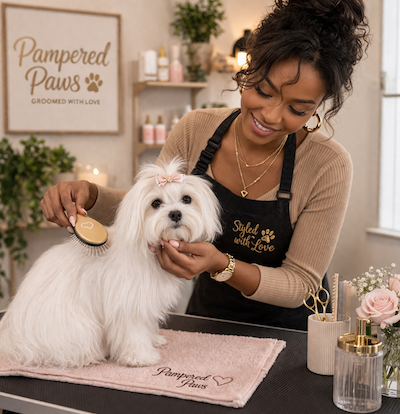
Maltese Grooming Guide: Keeping That Silky White Coat Looking Pristine
Maltese Grooming Guide: Keeping That Silky White Coat Looking Pristine
The Maltese is one of the oldest toy breeds in the world, and for centuries their flowing white coats have been a defining characteristic. Whether you keep your Maltese in a long show coat or a practical puppy cut, maintaining that silky white hair requires more daily attention than most breeds. But once you get the routine down, it's genuinely rewarding.
Understanding the Maltese Coat
The Maltese has a single-layer coat — no undercoat. This means they don't shed much, which is great news for people with allergies or strong preferences about dog hair on furniture. The tradeoff is that the long silky hair tangles and mats easily, and daily brushing is non-negotiable for dogs kept in full coat.
Because the coat is white, it also shows every bit of dirt, food staining, and tear staining. This isn't just cosmetic — staining can indicate dietary issues, eye problems, or environmental irritants worth addressing with your vet.
Daily Brushing: The Foundation of Maltese Care
Full coat: Daily brushing is required.
Puppy cut (shorter trim): 2–3 times per week.
Use a pin brush or soft slicker brush to work through the coat section by section. Always work from the ends toward the roots — never drag through tangles from the root down, which causes breakage and pain.
A light leave-in conditioning spray helps the brush glide and reduces static, which is especially helpful for fine Maltese coat.
Pay special attention to:
- Behind the ears (classic mat zone)
- The "armpits" (front leg attachment to body)
- Around the collar
- The sanitary area
Bathing a Maltese
How often: Every 1–2 weeks. Because of the white coat and their low-to-ground size, Maltese pick up more dirt and staining than most dogs.
Use a whitening or brightening dog shampoo formulated for white coats — these help reduce yellowing without the harshness of optical brighteners. Always follow with a moisturizing conditioner or detangling rinse.
Rinse thoroughly. Residue in fine Maltese coat causes itching and makes the hair sticky, which attracts more tangles.
After bathing, dry completely with a low-heat dryer while brushing. Allowing a Maltese coat to air dry in a tangled state is a fast path to mats.
Managing Tear Stains
Tear staining — the reddish-brown discoloration under the eyes — is common in Maltese and other white-coated toy breeds. It's caused by porphyrins, natural compounds in tears that oxidize and stain when exposed to air and light.
To minimize staining:
- Wipe the eye area daily with a soft, damp cloth or pet-safe eye wipe
- Keep the hair around the eyes trimmed short so it doesn't wick tears onto the coat
- Use a stainless steel food bowl instead of plastic (plastic can contribute to staining)
- Talk to your vet if staining is heavy — it can sometimes indicate blocked tear ducts, dental issues, or dietary sensitivities
For existing stains, a groomer can apply a tear stain remover product or brightening paste between grooms.
Maltese Haircuts
The two most popular Maltese cuts:
Full coat (show trim): The coat is grown out to the ground and parted down the middle of the back. The topknot is tied up with a bow. This is beautiful but high-maintenance — truly a daily brushing commitment.
Puppy cut (teddy bear cut): The coat is trimmed short (1–3 inches) all over the body, giving the dog a round, fluffy look. Much easier to maintain and very popular with pet owners who want the Maltese look without the full-coat workload.
How often to see a groomer: Every 4–6 weeks for a puppy cut; every 6–8 weeks for full coat maintenance trims.
Ear Care
Maltese grow hair inside the ear canal, which can trap wax and moisture and lead to ear infections. A groomer should pluck this hair periodically (opinions vary on frequency — ask your vet and groomer for their recommendation based on your dog's ear health history).
Check ears weekly for redness, odor, or excessive wax.
Nail Trimming
Toy breeds like the Maltese have small, fast-growing nails. Trim every 3–4 weeks. Overgrown nails on a small dog can splay the toes and cause gait problems.
Finding the Right Groomer
Not all groomers have equal experience with white coats and fine-haired toy breeds. When searching for a groomer for your Maltese, ask about their experience with the breed specifically, what shampoo products they use (whitening vs. standard), and whether they do hand-scissoring for puppy cuts (which gives a better result than clippers on fine Maltese hair).
For holistic support for your Maltese's coat and overall wellness, browse our partner directory at Holistic Vet Directory.
About the Author
Dog Groomer Locator Editorial Team
Our editorial team researches grooming topics using verified business data and breed-care references. Content is drafted with AI assistance, fact-checked against published sources, and reviewed by publisher Kevin Collins.